
A History of Floral Marketing
Who Built It, and Who Won
This page is a short history of how the floral trade has marketed itself, kept here as background while I Speak Flowers™ is built.
1910: Florists Built Something Bigger Than Themselves
On August 18, 1910, a group of American florists, thirteen by most accounts and led by John Valentine of Denver, agreed to do something new: serve each other's out-of-town customers. They competed with each other every day. They built Florists' Telegraph Delivery anyway.
It worked because florists owned it. In 1914 it took the Mercury Man as its mark. By most accounts "Say It With Flowers" was written in 1917, and FTD put it to work for Mother's Day in 1918. In 1924 the Society of American Florists ran a national campaign behind the same line.
The florists who built that network won. For generations, when someone wanted flowers sent to another town, the order went florist to florist, because florists had built the road it traveled on.
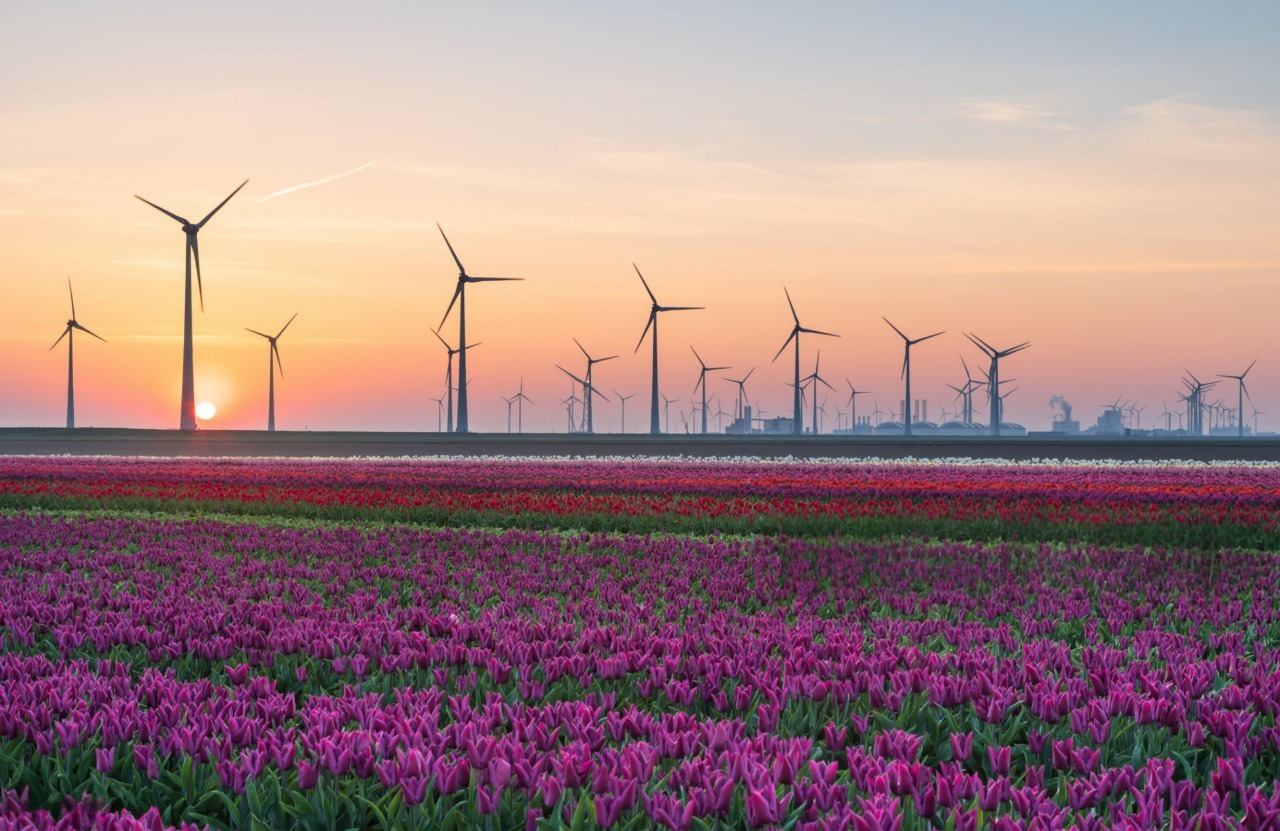
"They competed with each other every day. They built it anyway. That is how the biggest name in flowers began."

Europe Built It Too
Two years earlier, in 1908, a Berlin florist named Max Hübner and 98 colleagues set up a way to pass orders between their shops. Their idea was simple: the orders should travel, not the flowers. That became Fleurop, which went international from Zurich in 1927. In 1946 FTD, Fleurop and Britain's Interflora joined in Copenhagen to form one network across borders.
Other parts of the trade built flower campaigns too: the Flower Council of Holland from 1981, Britain's Flowers and Plants Association from 1984, Colombia's "Flowers of Colombia" brand in 2017. They marketed the flower, and they did it well. None of them was built to market the shop.
1994: The Florists Sold What They Built
In November 1994, FTD's member florists, some 20,000 of them, voted to sell their cooperative to investors. From then on, the network florists had built belonged to someone else. In June 2019 it filed for bankruptcy, and its business was sold that August.
The lesson is not that FTD was a bad idea. It was the best idea this trade ever had. The lesson is that what florists build together has to stay theirs.
| When | What happened |
|---|---|
|
1908–1924 |
Florists build Fleurop and FTD with their own competitors, and “Say It With Flowers” becomes the trade’s first national slogan. |
|
1984–1997 |
Two national promotion programs, run by growers, importers and wholesalers. Both voted out. Florists: 3 seats of 25. |
|
1994 |
FTD’s member florists sell their cooperative to investors. |
|
2004–today |
Facebook, YouTube, WhatsApp, Instagram, Google Business, TikTok, AI search. Florists can reach the world for the first time. |
|
2021 |
A third try, the proposed U.S. Floral Board: 12 seats, none for florists. |
1984–Today: Three Tries to Market the Flower
The trade has tried three times to advertise flowers together. Florists had a real say in none of them.
The first try ended in a 1983–84 referendum, when growers and importers voted down a national floral promotion order, 665 to 329.
The second was PromoFlor, signed into law on December 14, 1993 and paid for by an assessment on the largest handlers. Its council was chaired by a wholesaler. Of its 25 seats, 22 went to wholesalers, importers and growers. Retail florists got 3, picked by organizations rather than by a vote of florists. Buzz the Bee went on the air in February 1996, and the program's own research counted more households buying flowers. It did not matter. In the June 1997 referendum, 58 percent of the handlers voting chose to end it. Only handlers could vote; the only florists with a ballot were those big enough to run their own distribution arm. By the end of July it was over.
In 1998, University of Florida economists found that advertising the flower grows flower sales but is "outlet neutral": it does not move customers from the supermarket to the flower shop. Is that good for the industry? Yes. Is it good for florists? That is not the same question.
The third try came in 2021: a proposed U.S. Floral Board of six growers and six importers. PromoFlor gave florists three seats out of twenty-five. The new one gives them none. Five years later, nothing has been published in the Federal Register.
"PromoFlor gave florists three seats out of twenty-five. The next attempt gives them none."
2004–Today: Worldwide Became Possible
Everything a florist needs to reach a customer changed. Facebook launched in 2004 and opened to everyone in 2006. YouTube arrived in 2005, Twitter in 2006, WhatsApp in 2009, Instagram and Pinterest in 2010, WeChat in 2011. Google My Business came in 2014, TikTok went worldwide in 2017, and ChatGPT in 2022. Meta alone reports 3.6 billion people using its apps every day.
In 1910 florists needed the telegraph. In 1996 the industry needed a television budget and an Act of Congress. Today a florist in Nairobi and a florist in Chicago reach customers with the same tools, at the same cost.
Florists Can Build Again
This Time, Worldwide
Florists have the same opportunity they had in 1910: build something bigger than any one shop, alongside the competition, and keep it. That is I Speak Flowers: a standard for what a flower shop is, written by florists; a free worldwide list of the shops that meet it; and a mark for the window. The builders won last time. They will win again. This time, worldwide.
Be One of the Builders
Ask when the I Speak Flowers meeting in your area is, and what your shop needs to qualify.
- © 2026 World Cut Flower Commission. All rights reserved.
Sources
Every date on this page can be checked. The links below are where each one comes from.
Florists build, 1908–2019
FTD Companies · FTD history (FundingUniverse) · Fleurop · Fleurop history · Creative Review, “Say It With Flowers” · SAF history · Seattle Times, Nov 8 1994 · CNBC, June 3 2019 · AIPH, Flower Council of Holland · Companies House, Flowers and Plants Association · Floraldaily, Flowers of Colombia
Three tries to market the flower
Focus on Floriculture, Feb 1984 · Federal Register, Dec 29 1994 · 7 U.S.C. 6804 · Federal Register, Apr 21 1997 · Federal Register, July 28 1997 · Supermarket News, Aug 11 1997 · WF&FSA past presidents · Rimal & Ward, 1998 · SAF, Oct 27 2021
Worldwide tools
Meta, Q2 2026 results · TechCrunch, June 11 2014 · OpenAI, ChatGPT
Where sources disagree, such as how many florists founded FTD or the year "Say It With Flowers" was written, this page says "by most accounts."