
World Cut Flower Commission
The Founder
A Life Among Flowers
The World Cut Flower Commission did not begin in a boardroom. It began on the floor of the floral industry — among buckets and cooler doors, early-morning markets and late-night event builds. Its founder, Bill Kennicott, has spent his working life inside this trade, across nearly every role it offers.
As a child, Bill worked in the flower fields. As a young adult, he moved into wholesale. And as a salesperson, he sat across from florists in their own shops — talking, listening, learning the rhythm of their businesses. He has stood on each side of the counter, and he has watched, year after year, as independent flower shops quietly closed their doors.
For more than a decade now, Bill has left the wholesale world behind and worked as a florist — designing for weddings and for parties large and small. There is something fitting in that. The Kennicott name has long been known in the wholesale side of this industry; today, Bill carries it on the florist's side of the counter. He did not inherit this fight. He chose it — by crossing over to stand with the shops the rest of the industry was leaving behind.
That experience is the whole reason this exists. You cannot grow up in the fields, come up through wholesale, and then spend years in the flower shop without coming to understand exactly where the floral dollar goes — and who it stops reaching. The florist, the most visible and most vulnerable part of the industry, was being left behind.
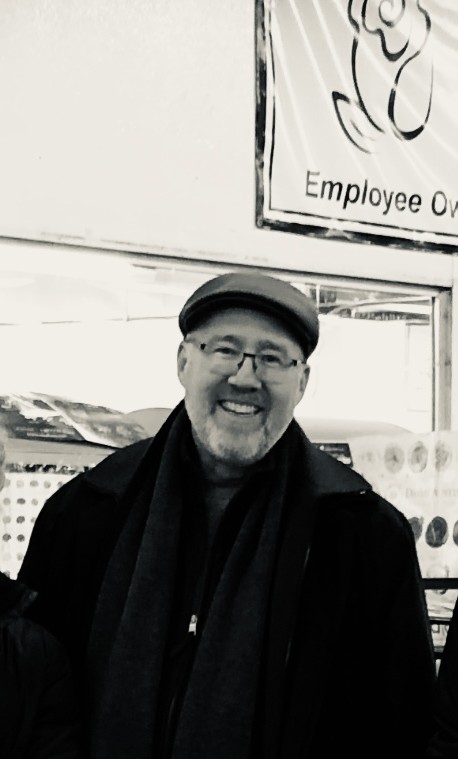
"I have seen this industry from every side. The one constant was the flower shop — and the one constant problem was that no one was building for it."
A Memory, and a Reason for Repair
Bill remembers the conversations clearly. As a salesperson, he would sit with sales managers and speak to florists about the grocery stores beginning to move into the floral business. And the message they carried, in good faith, was reassurance: don't worry about it.
The grocery stores did not stop. They grew. The everyday flower purchase shifted, shop by shop, into the checkout line — and the florists who had been told not to worry were the ones who paid for it. Perhaps it is that sense of repair that drives Bill most of all. He was in the room. He was part of telling them it would be fine. Now he intends to be part of making it right.
Why This Mission
Bill founded the World Cut Flower Commission because the people closest to the craft were the people with the least built in their defense. The grower has support. The wholesaler has support. The wire services and the industry "middle" have organizations of their own. The independent florist — the heart of the trade — had almost no one building tools, marketing, or a movement designed around their survival. Florists are not alone in this. This happens in nearly every industry around the globe. The difference is, others do something about it. Like we are doing today!
As a designer himself, with many friends in the floral industry — many of whom are out of business today — Bill could see the problem up close: florists are nickel-and-dimed to death. Every fee, every margin shaved, every cost passed down lands on the smallest player. That is exactly why a florist's contribution to this Commission is an annual membership: florists pay for the campaign, and nobody who sells to florists gets to sponsor it, because the florist has already paid enough.
And the grocery channel is not standing still. Floriexpo, North America's largest B2B floral event, describes itself as "exclusively dedicated to the mass-market floral industry" — built to connect suppliers with supermarket and chain-store category managers and high-volume buyers, with education that coaches those very buyers on merchandising and running a floral department. Meanwhile, big box stores now sell complete pre-designed wedding packages — bridal and bridesmaid bouquets, centerpieces, corsages, boutonnières and funeral designed work — delivered to the door for a few hundred dollars, work that once belonged to the local florist. This is serious. And if it has not already reached your neighborhood, it will. Slowly, store by store, it moves closer.
So that became the work: a worldwide marketing platform built for florists and shaped by what they need, beginning with a new floral industry slogan, "I Speak Flowers," and built on a simple conviction — that the flower shop deserves to survive, and that someone who has worked closely with the trade should be the one to fight for it.
A Sense of Purpose
For the World Cut Flower Commission, this is not only a business venture. It is a calling — a faith-informed sense that work can be in service of something larger than itself.
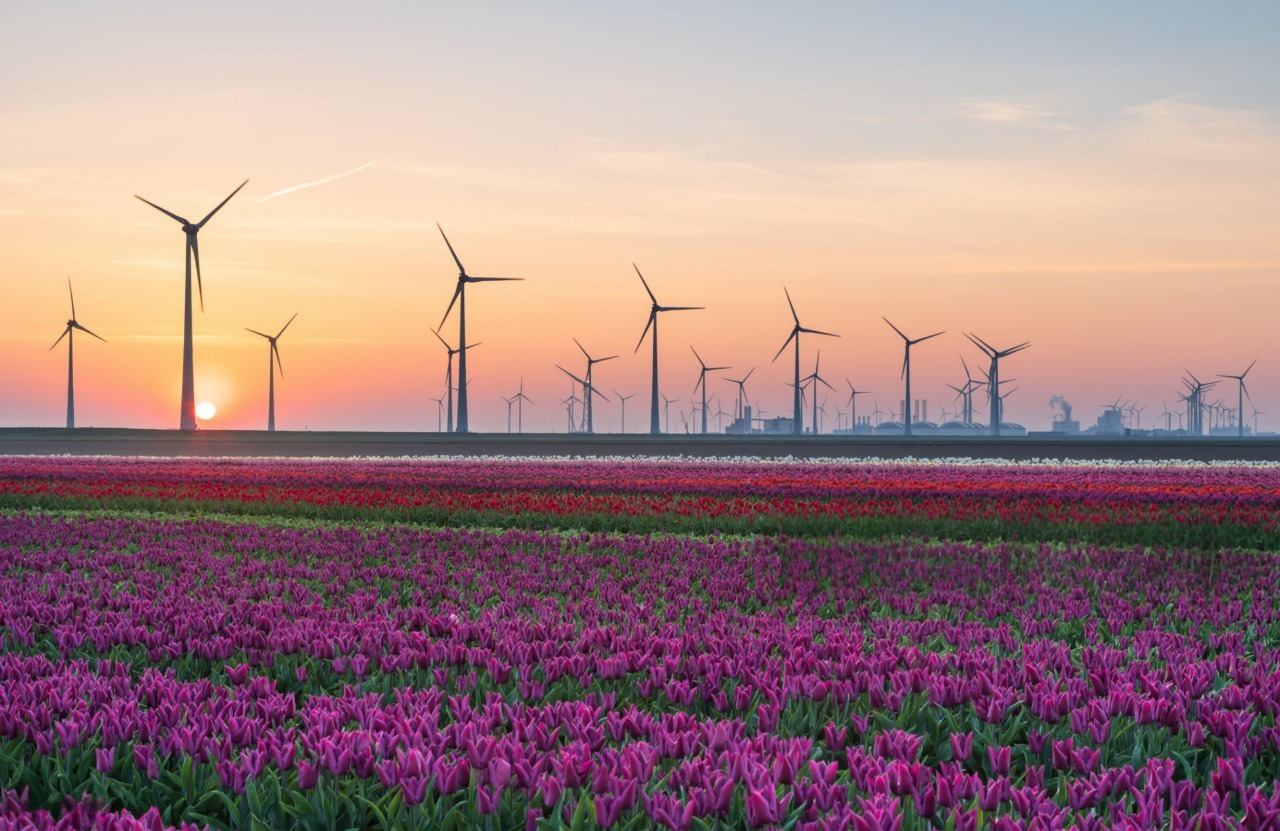
Like wind farms rising across a new landscape, our vision reaches beyond what can be seen at first glance. They are not built only to stand there. They are built to generate, to serve, and to protect what comes next.
The World Cut Flower Commission is built with that same purpose: to lift up independent florists not simply because it could be profitable, but because it is right. That conviction shapes every decision — who the platform answers to, how it is funded, and who it is ultimately built to protect.
From the Founder
This is for the flower shop
Everything here — the app, the campaign, the Commission itself — exists for one reason: to make sure the independent florist has a future. That is the mission, and it is a personal one.
The better explanation of what we are building has come from others in the industry. In August 2026 the floral trade publication Thursd asked who really speaks flowers. Read the article on Thursd →
Become a Member Today
By joining as a member, you're joining the mission and the marketing effort combined to save floral shops worldwide.
- © 2026 World Cut Flower Commission. All rights reserved.